

Last Updated on 12 November 2026 by Ariana Svenson
Dryandra Woodland National Park is one of Western Australia’s most important wildlife conservation areas, located 2.5 hours southeast of Perth. Covering 28,000 hectares of native bushland, it’s home to some of Australia’s rarest animals, including the endangered Numbat, woylie and chuditch.
One of the top things to do in Dryandra is to visit Barna Mia. In this nocturnal wildlife sanctuary, you can join a guided tour to try your luck at spotting threatened native species, including bilbies and woylies.

This guide covers the best things to do in Dryandra Woodland, including wildlife experiences, walking trails and accommodation options.
Why take our advice? We are WA locals; we love where we live, and have returned to these places again and again.
Where Is Dryandra Woodland?
How to Get to Dryandra Woodland, Western Australia
The best way to get to Dryandra Woodland is by car. It’s around a 2 to 2.5-hour drive from Perth, depending on which part of the park you’re heading to. You can drive via Wandering or Williams, with a number of regional roads leading into the woodland, which is located in the Wheatbelt.
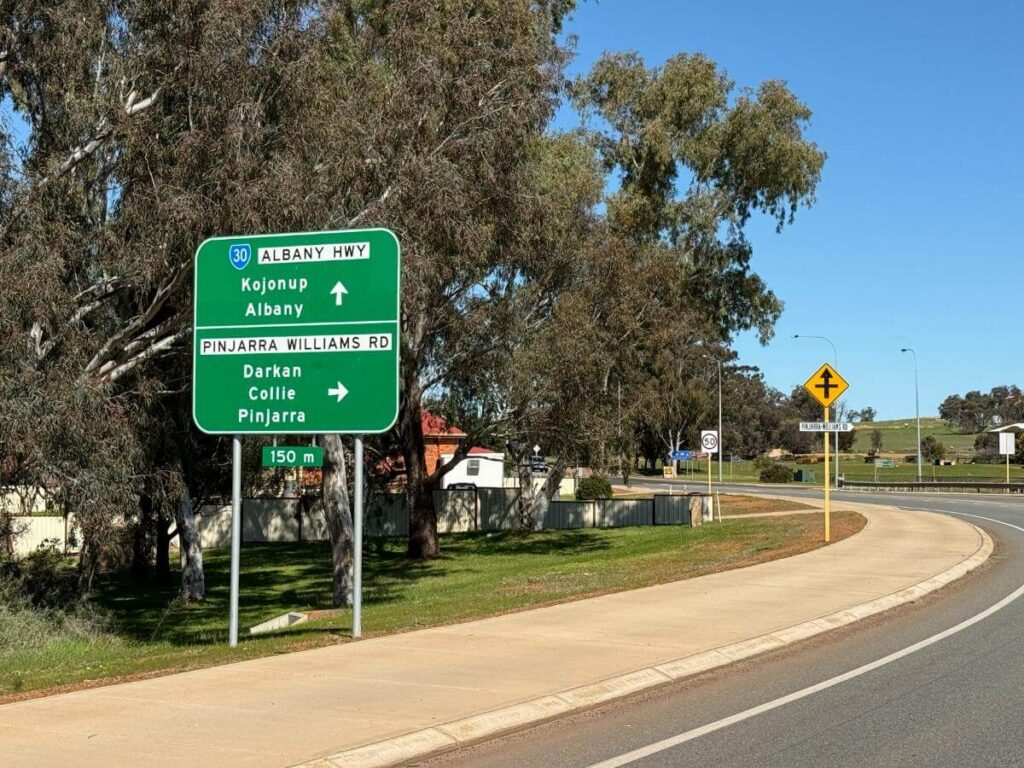
Dryandra Woodland is northwest of Narrogin and around 25km from Williams. Most of the roads through the park are unsealed, although you should be fine driving a regular car. Mobile reception can be patchy, so download a map before you go.
Things to Do in Dryandra Woodland National Park
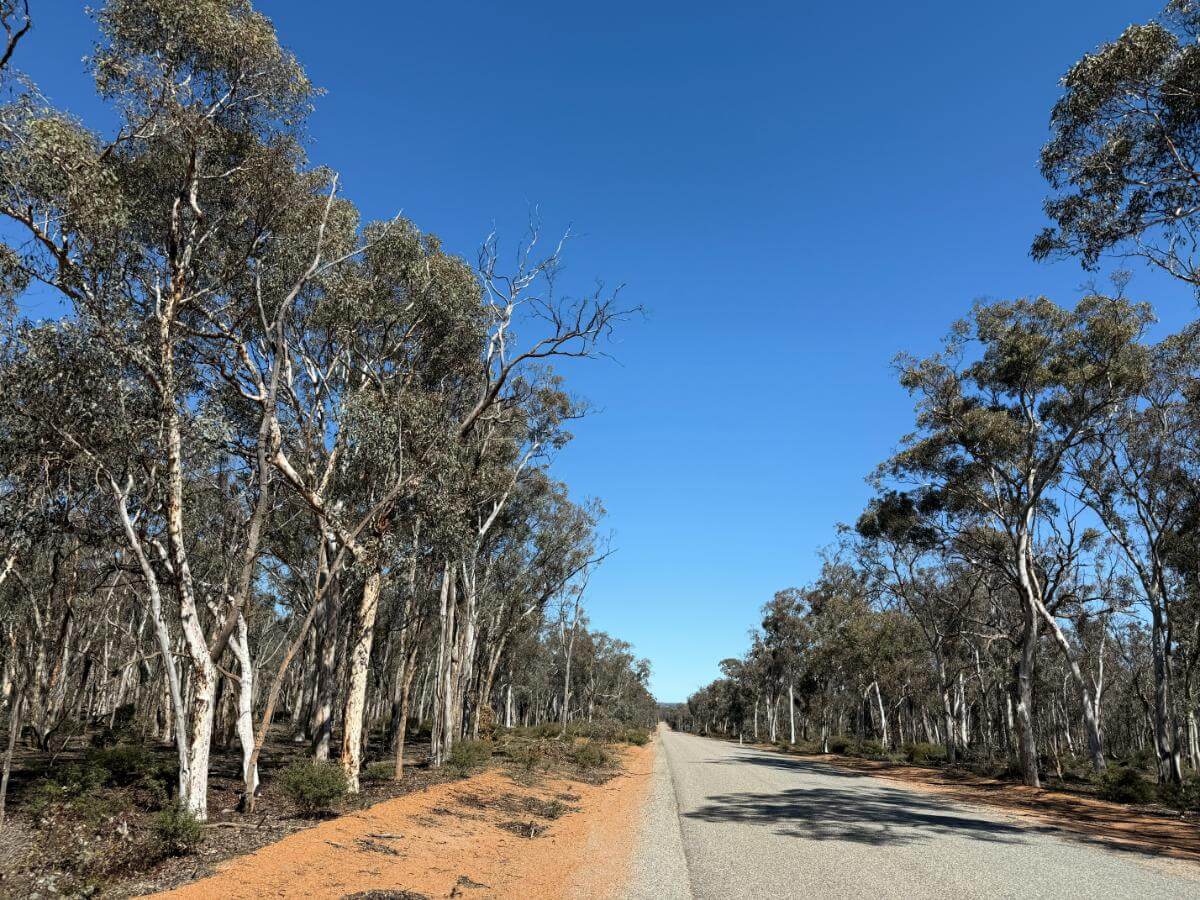
Dryandra Woodland was originally a state forest before becoming a national park in 2022. Much of the park is covered in wandoo and powderbark trees, with native shrubs and wildflowers bringing splashes of colour at different times of the year.

Numbats are active during the day, spending much of their time searching for termites. Watch for them along the walking trails, especially around fallen logs and open patches of woodland. They’re not easy to spot, but you might get lucky!
Wait a minute – aren’t Australian mammals nocturnal- out at night? Yes, normally – but not numbats, which are diurnal, out during the day.
NOTE: Entry to Dryandra Woodland National Park is free
1. Look for a wild numbat

One of Dryandra Woodland’s biggest attractions is the chance to spot a wild numbat, one of Australia’s rarest native marsupials. Recognisable by its reddish-brown fur, distinctive white stripes and bushy tail.
Did you know? The Numbat is also Western Australia’s official animal emblem.
Unlike many Australian marsupials, numbats are active during the day and spend much of their time searching for termites. Keep an eye out along the walking trails and woodland clearings, particularly around fallen logs. Sightings aren’t guaranteed, but spotting one in the wild would be a highlight of any visit.
2. Take the Barna Mia nocturnal tour
The Barna Mia Nocturnal Wildlife Experience is one of Dryandra Woodland National Park’s main attractions. This predator-proof animal sanctuary protects some of Western Australia’s threatened marsupials, giving you the chance to see them in a natural setting after dark. You’ll join a small group after sunset, with an experienced guide using red-filtered torches to help you spot the animals.
You might spot bilbies, woylies, boodies, mala, quenda and possums during your visit. The guides explain more about the animals and the work being done to protect them. Sightings aren’t guaranteed, though, as the animals roam freely around the sanctuary.
Tours last 90 minutes to two hours and must be booked in advance. Since they finish after dark, I’d recommend staying nearby rather than continuing a long drive. If you’re travelling as part of a road trip such as from Perth to Albany, you can spend the night around Dryandra or Narrogin and continue your journey the following morning.
Alternatively, the Perth Wildlife Tour Under the Stars with Dinner is convenient if you prefer not to drive. This guided experience includes return transport from Perth, wildlife spotting in Dryandra Woodland, a picnic dinner and a visit to Barna Mia, eliminating the need to arrange an overnight stay.
More information on the Barna Mia tours
Did You Know? Many of Western Australia’s native animals have become endangered or disappeared from areas where they once lived. Introduced predators such as foxes and feral cats, land clearing, and changes to natural fire patterns have all contributed to their decline. Dryandra Woodland has played an important role in protecting these threatened species. Through habitat conservation and programs to control introduced predators, the park has helped native animals such as numbats and woylies survive and recover. These efforts have made Dryandra Woodland one of Western Australia’s conservation success stories.
3. Explore the Hiking Trails

Dryandra Woodland has a network of marked walking trails that wind through native bushland and open woodland. Keep an eye out for wildlife along the way. You can choose from short, easy walks suitable for families or longer hikes that take you deeper into the forest.
Here are some of the trails to explore:
- Woylie Walk (5.5 km, moderate): Starting at Old Mill Dam, this trail passes through wandoo and powderbark woodlands, with opportunities to spot numbats, echidnas and signs of woylie activity.
- Ochre Trail (5 km, moderate): Learn about the area’s Noongar heritage through interpretive signs explaining traditional cultural practices, including the use of ochre. The trail also passes through beautiful wandoo woodland.
- Kawana Trail (3.3 km, easy): A family-friendly walk through mallet plantations and native heathland, where you might spot echidnas, native birds (there are over 100 bird species to add) and colourful WA wildflowers during spring.
- Lol Gray Trail (12.5 km): One of the longer walks in Dryandra, taking you through different types of bushland and past the historic Lol Gray fire tower site, with views across the woodland.
- Congelin Siding Walk (1.6 km, easy): A short walk following part of the former railway line that once connected Pinjarra and Narrogin. It’s a good option for those interested in the area’s railway history.
- Wandoo Night Walk (1 km, easy): A short trail marked with reflective signs that you can follow using a torch after dark. Keep an eye out for nocturnal animals, including possums, woylies and owls.
Most trails are clearly signposted, but bring drinking water, wear comfortable walking shoes and check park alerts before heading out. Mobile reception can be limited in parts of Dryandra Woodland.
4. Try the Dryandra Drive Trails

If you’d rather explore Dryandra Woodland without hiking, you can also take self-drive trails. These take you through the forest, with places to stop along the way and learn more about the area’s history.
- Darwinia Drive Trail (23 km): This scenic loop takes around 1.5 hours and is suitable for 2WD vehicles. There are five places to stop along the route, with information boards about the woodland’s plants and wildlife. At the final stop, you can take a short walk near a granite rock formation, where you might spot native orchids.
- Dryandra Audio Drive Trail (25 km): This self-guided route has six stops, with recorded stories covering the area’s Aboriginal heritage, early forestry industry, historic railways and native wildlife. At each stop, you can tune into the FM radio commentary to learn more about the area’s history and heritage.
Dryandra Accommodation
If you’re joining the Barna Mia nocturnal wildlife tour, I’d recommend staying overnight instead of driving the 180 kilometres back to Perth or continuing towards Albany after dark. Kangaroos are common on country roads, particularly around dusk and dawn, so it’s safer to travel during daylight hours.
Here are my top reccomendations:
Lions Dryandra Woodland Village
Location: Dryandra Woodland National Park, via Tomingley Road, Western Australia
Lions Dryandra Woodland Village, often called Dryandra Village, is a useful place to stay if you’re joining the Barna Mia tour, just a 15-minute drive away. Accommodation includes six large cottages, two smaller cottages and a dormitory complex for groups. You might also be lucky enough to spot native wildlife around the grounds.
The facilities are fairly basic, and you’ll need to bring your own bedding, pillows, towels, food and drinking water. You can arrange linen hire in advance. Mobile reception is limited, so download offline maps before leaving and follow the village’s recommended route via Tomingley Road rather than relying on Google Maps.
View accommodation details and booking information.
Williams Motel & Caravan Park
Another option is Williams Motel & Caravan Park, located in the small town of Williams, 25 kilometres (25-30 minutes’ drive) south of Dryandra Woodland. There are comfortable motel rooms and caravan sites, including powered and unpowered options.
Visit the Williams Motel & Caravan Park website
Accommodation in Narrogin
Narrogin is just 30km from the national park. The town has a selection of accommodation, including traditional country pubs, motels, guesthouses and a caravan park, along with shops and restaurants.
Narrogin is a good option for exploring Dryandra during the day or if you don’t mind driving back after the Barna Mia nocturnal tour. However, staying within the national park is more convenient if you’d prefer to avoid driving on country roads after dark.
New Cornwall Hotel
Address: 12 Doney Street, Narrogin WA 6312
The New Cornwall Hotel is an old-style country pub in the centre of Narrogin. It offers simple single and double rooms with shared bathrooms. There’s also a restaurant serving Indian food and classic pub meals, along with a bar, beer garden and shared lounge.
Duke of York Hotel
Address: 34 Federal Street, Narrogin WA 6312
Located on Narrogin’s main street, the Duke of York Hotel has traditional pub-style accommodation with private bathrooms. It also has an on-site restaurant serving lunch and dinner, plus a beer garden and lounge bar.
Narrogin Caravan Park
Address: 80 Williams Road, Narrogin WA 6312
Narrogin Caravan Park offers powered and unpowered sites, as well as self-contained holiday units. Facilities include a camp kitchen, barbecues, laundry and free Wi-Fi. Located opposite Foxes Lair Nature Reserve, it’s also an ideal option for enjoying nearby walking trails.
Bella’s Country Place
Address: 46 Herald Street, Narrogin WA 6312
Bella’s Country Place is a cosy guesthouse in a historic building, with antique furnishings and a homely feel. Rooms are available with private or shared bathrooms, and continental breakfast is included.
Albert Facey Motor Inn
Address: 78 Williams Road, Narrogin WA 6312
Albert Facey Motor Inn is a country motel with family rooms and larger suites. It has an outdoor swimming pool, an on-site restaurant, and free parking. It’s also opposite Foxes Lair Nature Reserve.
Dryandra Woodland Camping
If you prefer camping, Dryandra Woodland National Park has two designated campgrounds/ Congelin and Gnaala Mia, with campsites suitable for tents, camper trailers and caravans, with opportunities to spot local wildlife around dusk and dawn.
- Congelin Campground: A small bush campground with eight caravan bays and a group camping area accommodating 30 people. Facilities include toilets, picnic tables and barbecues.
- Gnaala Mia Campground: A larger campground with 27 caravan bays and eight tent sites across two separate loops. A three-kilometre walking trail also leads to an old fire lookout.
Both campgrounds have basic facilities, but you’ll need to bring your own drinking water. There is a fee to camp, and you can’t book ahead, so it’s best to arrive early to get a spot.
Final Words
Dryandra Woodland National Park is one of the best places in WA to look for some of our rarest native animals. It’s also encouraging to see the conservation work underway to protect species like the Numbat and woylie.
I’d suggest staying at least one night, particularly if you’re doing an evening wildlife tour. That way, you’ll have plenty of time to explore the walking trails and enjoy the woodland without rushing back to Perth.
If you’re planning a longer trip through the Wheatbelt, Wave Rock near Hyden is another beautiful place worth adding to your itinerary. If you’re visiting Dryandra on the way to Albany, make sure you read our Albany guide.
FAQ
The best time to visit Dryandra Woodland is from August to October, when the weather is cooler and the wildflowers are blooming. Spring is a lovely time for bushwalking, with native orchids and colourful flowers appearing throughout the woodland. Autumn and winter are also good times to visit, especially for spotting wildlife. I’d avoid longer walks during summer, as temperatures can get quite hot.
No, dogs and other pets are not permitted in Dryandra Woodland National Park. The park protects vulnerable native wildlife, and poison baits are used to control introduced predators such as foxes and feral cats.
Wild numbats are found mainly in protected areas of Western Australia, including Dryandra Woodland National Park and the Upper Warren region near Manjimup. Conservation programs have also reintroduced them to reserves elsewhere in Australia. Unlike many marsupials, numbats are active during the day as they search for termites. You may spot them in Dryandra, although sightings are never guaranteed.


Leave a reply