


Last Updated on 21 July 2026 by Ariana Svenson
Cape Range National Park covers more than 50,000 hectares on the western side of the North West Cape. It has spectacular limestone ranges, deep canyons, turquoise lagoons and more than 60 kilometres of gorgeous beaches.
Whether you’re planning a family holiday, camping trip or day trip from Exmouth, Cape Range National Park is home to some of Western Australia’s best beaches, walking trails and wildlife encounters.
This incredible park is home to various wildlife, from red kangaroos, dingoes and emus to echidnas and an abundance of colourful bird species. It’s also known for its stunning views – the contrast between the red cliffs and the stark blue waters of the Indian Ocean!
Cape Range National Park also borders the UNESCO World Heritage-listed Ningaloo Marine Park, so it’s easy to visit both in a day.
In this guide, we’ll cover the best things to do in Cape Range National Park, the top beaches and walks, where to spot wildlife, camping options, how to get around and everything you need to know before you visit.

We realise that things change all the time, and so it’s really important to us that we provide the most up-to-date information possible! That’s why we go through our pages annually, making sure they are as current as possible. As always, if you notice something that’s not quite right, please let us know in the comments!
Where is Cape Range National Park?
When we first visited Exmouth, it got a little confusing. For example, which areas should be referred to as the Ningaloo Coast and which parts are Cape Range National Park? Cape Range National Park is often included in lists of “things to do in Exmouth,” but it is actually quite some distance from Exmouth. It’s actually part of the Ningaloo Coast World Heritage Area.
If you’re planning to visit Ningaloo Reef, make sure you read our Ningaloo Reef Guide and our Guide to Swimming With Whale Sharks in Ningaloo.
Cape Range National Park Location Map
How to Access Cape Range National Park
Cape Range is located 51 kilometres from the nearest town of Exmouth, a 45-minute drive. The drive is surely worth it to see the breathtaking landscape, vast array of birds, and other local wildlife like red kangaroos, echidnas, and emus.
Good to know:
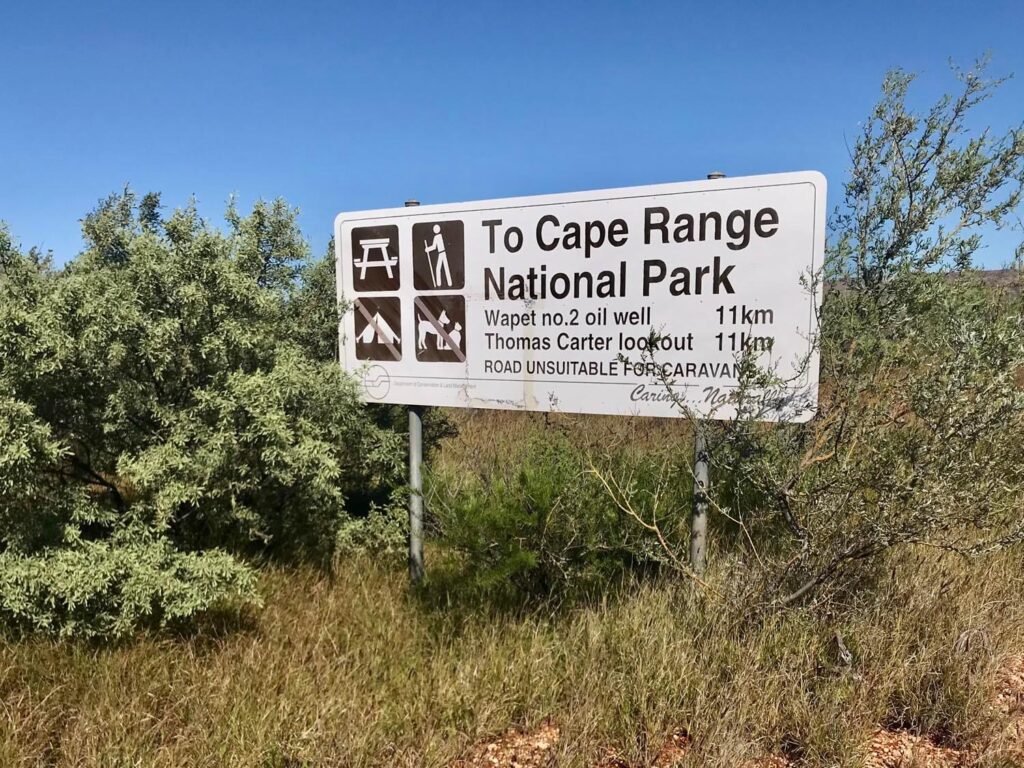
- No dogs allowed
- Accessible by 2WD up to Yardie Creek; 4WD required beyond
Cape Range National Park Booking
Your Cape Range National Park entry fee must be paid when you enter the park (unless you have a pass or you have a stay booked). A standard vehicle is $17.00 per person (under 12 people) or $10.00 for concessions. Any vehicle with over 12 passengers is $8 per person ($3.50 concessions). A motorcycle is $10.00.
We highly recommend purchasing a National Parks pass when visiting Cape Range National Park! The combined parks pass is a much better value for money, especially if you will be visiting any other national parks in Australia. If you are a local like we are, an annual National Parks Pass is a truly amazing investment. It encourages us to go places.
If you are a visitor to Western Australia (lucky you), then I would highly recommend buying a Holiday Park Pass. You can read more information about the Holiday Park Pass here.

When to Visit
The best time to visit is from April to October.
The average temperature at Cape Range National Park is 25°C, with the hottest weather occurring from November through about March each year. Keep in mind that temperatures can exceed 45°C from October to March.
It is located in a hot and arid climate with little rainfall. Some months see zero days of rain. The wettest month, June, averages only about three days of rain. Make sure to pack your reef-safe sunscreen!

Amazing Things to Do in Cape Range National Park and Nearby
Cape Range National Park is one of the top places to visit in Western Australia. It’s packed with amazing places to explore! Here are my top recommendations:

1. Visit Milyering Visitor Centre
We highly recommend making Milyering Visitor Centre your first stop when visiting the Cape Range National Park area.
The friendly staff also have a wealth of knowledge about Ningaloo Reef and the Cape Range National Park area. You can learn information about the park’s environments before exploring.
This includes advising what roads are suitable for you to drive on if you are not visiting in a 4WD vehicle.
2. Yardie Creek
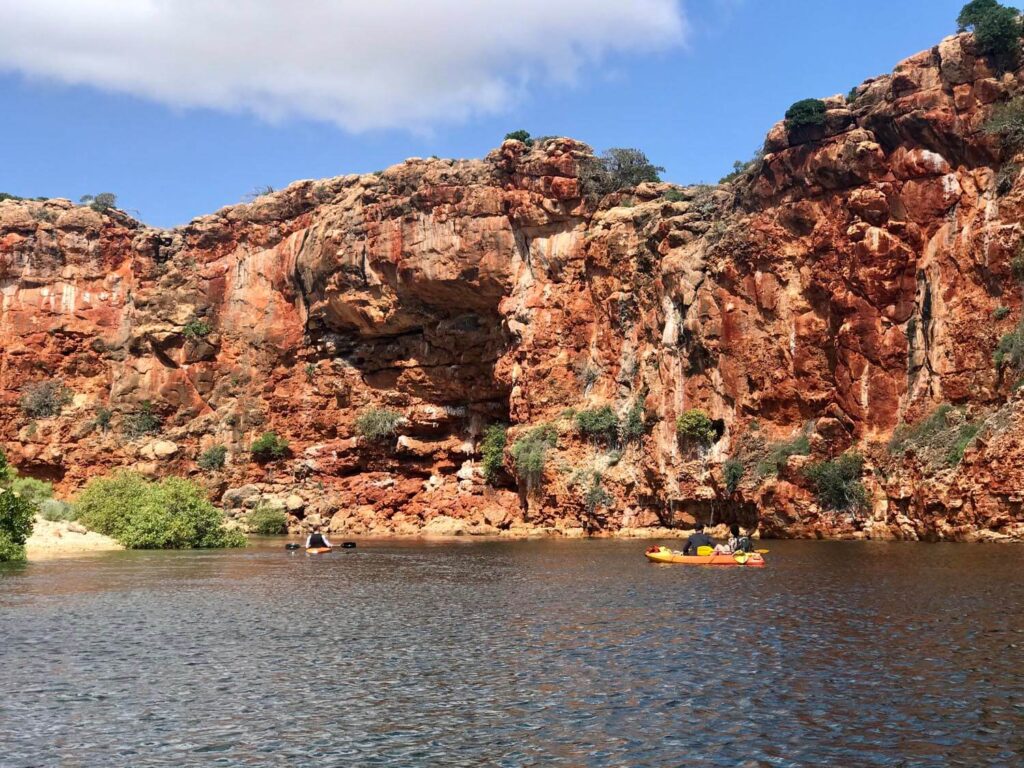
Yardie Creek Gorge is a must-visit place in Cape Range National Park, WA.
Unless you have a 4WD vehicle, Yardie Creek is the farthest you can travel. However, Yardie Creek Gorge is a must-visit place in Cape Range NP. The gorge is the only creek in the area with permanent water.

You can visit the ancient gorge by taking one of the Yardie Creek boat tours. Stand in awe of the limestone cliffs and watch out for local wildlife. The Yardie Creek boat cruises are a great opportunity to learn about the region’s history and to get right in the Yardie Creek Gorge.
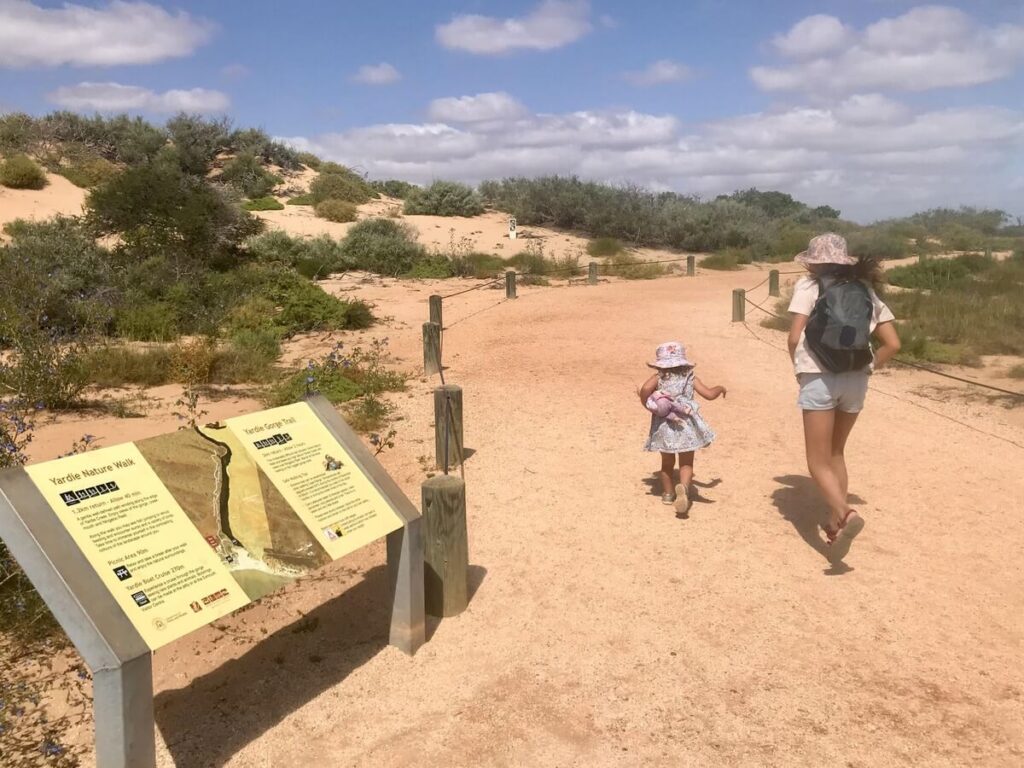
If you don’t have time for any Yardie Creek tours, at least check out the Yardie Gorge Trail. It runs along the cliffs, giving you spectacular views down into the gorge. If you wish to stay overnight, check out the Yardie Creek Campground.

3. Hike the Mandu Mandu Gorge
Hiking the 3km Mandu Mandu Gorge trail is an amazing experience! It offers incredible views of the Mandu Mandu Gorge Canyon, Ningaloo National Park, and the Ningaloo Coastline out across the stunning Indian Ocean from the rim. You also have a chance to see local wildlife along the way, like the endangered black-flanked Rock Wallaby.
It is a 3km return walk, with the starting point located about 14km south of the discovery centre. Make sure you wear good walking shoes or hiking boots, as you will be walking on uneven pebbles for most of the walk. Also, make sure you stay on the existing walking trails!
4. See the Coral Coast Wildflowers
While Australia’s coral coast wildflowers are not as famous as other places on the West Coast, they still make a pretty spectacular show, and one we enjoyed very much. Over 630 species of flowering plants are recorded in the park!
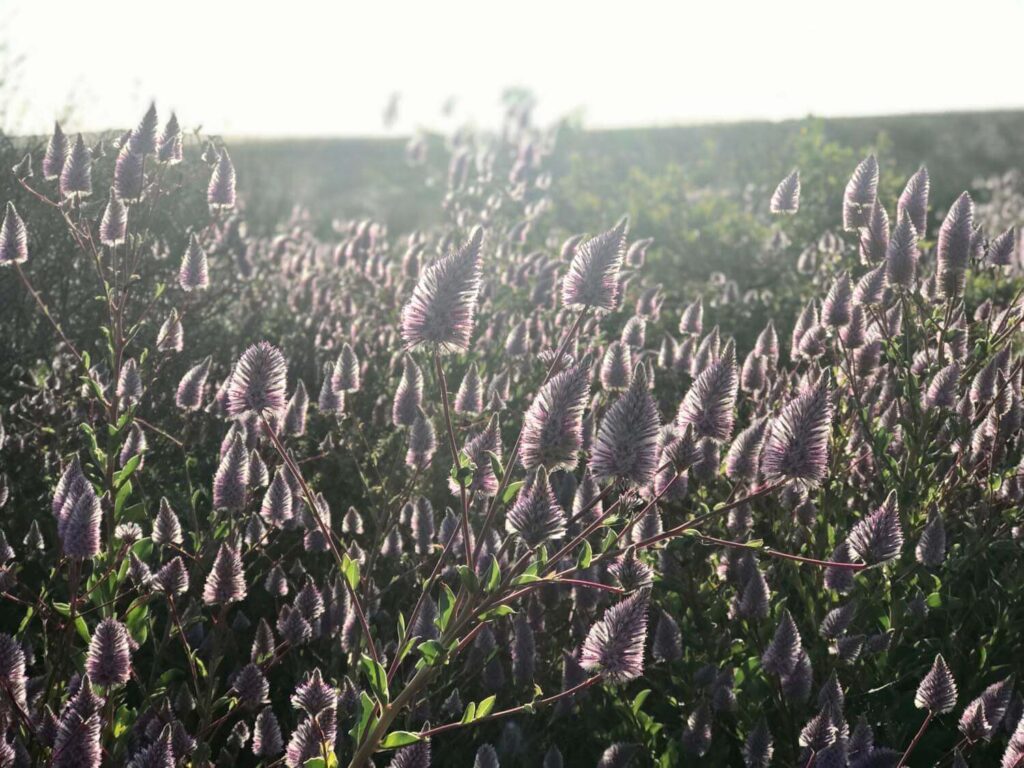
From the moment we arrived at Learmonth airport, the coastal plain around Exmouth was filled with the cheerful yellows of spring wattles and my personal favourite, the lavender purple mulla mulla.
Around Vlamingh Head Lighthouse and the Harold E Holt Communication station towers on the North West Cape, there were copious mulla mulla. My road stop photo shoot doubled as I took pictures of the imposing towers and the flowers at the same time!

As you head further into the Cape Range National Park along the road to Turquoise Bay (often listed as one of the beaches in Western Australia) and Yardie Creek, we saw lots of Red Sturt Desert Peas, mulla mulla, wattles, and purple Portulaca.
Here around Exmouth, the Sturt Desert Peas’ bulbous centres are deep red or maroon, not black like in other places. (At least that is what we were told!)
We didn’t see many wildflowers on the Yardie Creek Trail or the Mandu Mandu Canyon walk, but we might have been too early in the season. We did see some buttercup-yellow Hibbertia and a whole family of rock wallabies.
Our family loved our stay at Bullara Station, which was one of our best options for wildflower spotting in the Ningaloo and Cape Range area. You can read more about wildflowers in our WA Wildflowers guide. Bullara is also home to one of the best places to eat near Exmouth and hosts a fantastic Burger Night, as well as being home to the famous scones!
5. Bird Spotting
Over 121 species of birds call this park home. A number of walking trails, such as the Yardie Creek Gorge Rim Track, are popular with bird spotters. You can find the list of birds that have been spotted previously here.

6. Charles Knife Canyon
Because the following two attractions are accessed from the road into Exmouth from Cape Range, it is recommended that you visit them separately from the rest of the park.
If you’re looking to explore one of the most spectacular canyons in Western Australia, Charles Knife Canyon should be high on your list. This dramatic gorge is located on the eastern side of the North West Cape, and it’s accessed via the Charles Knife Gorge Road, which branches off from Minilya-Exmouth Road, just south of Exmouth town.
The access road is sealed for the first section and then becomes a well-maintained gravel track that winds its way up the ridge. It’s a stunning drive, with the road providing sweeping views over Exmouth Gulf.
Canyon Drive is only recommended in a 4WD, especially after rainfall, as it’s a deserted outback road.
7. Shothole Canyon
Located just south of Exmouth and accessed via the unsealed Shothole Canyon Road (15km long!), this lesser-known gorge is also a must-visit.
The canyon gets its name from the “shot holes” left in the landscape, evidence of seismic testing that once took place here to trigger miniature earthquakes for oil and gas exploration.
The scenic drive into the canyon follows the floor of the gorge, giving you a totally different perspective from the elevated views at Charles Knife Canyon.
Jurabi and Bundegi Coastal Park
Often included in broader references to Cape Range National Park, Jurabi and Bundegi Coastal Park are actually distinct coastal reserves. However, all are part of the Ningaloo Coast World Heritage Area, which covers this whole extraordinary stretch.
8. Explore the Jurabi Turtle Centre
Turtle lovers, take note. From about January through April, if you visit the beach after sundown, you may be able to see tiny turtle hatchlings as they head off to the ocean. Make sure you also read our Exmouth beaches guide for details on the best spots to visit.
If you are visiting outside those months, you can visit the Jarabi Turtle Centre year-round to learn about the turtles that call Ningaloo Reef, WA, home. Learn about the Green, Loggerhead and Hawksbill Turtles that live off the shores of the Ningaloo Coast.
The Jarabi Turtle Centre is free to visit. However, they also offer a paid 3–4-hour nighttime tour during which you can witness turtle hatchlings when they are in season. Please check the Jarabi Turtle Centre website for more information.
9. Vlamingh Head Lighthouse
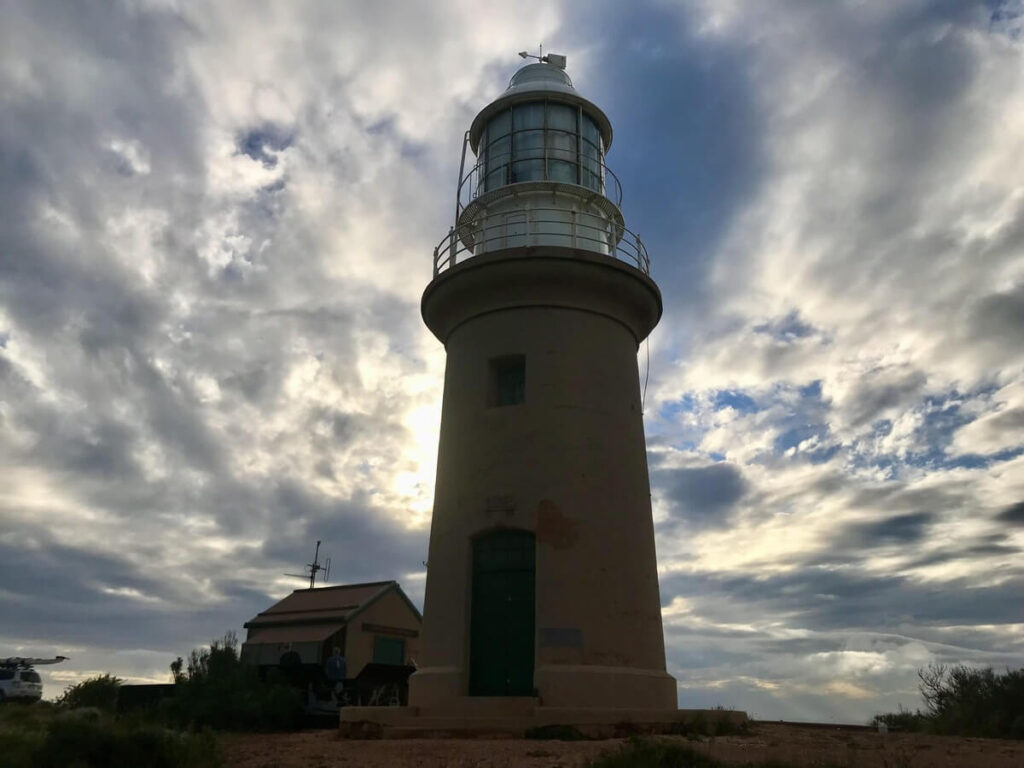
Vlamingh Head Lighthouse on the Ningaloo Coast is a must-see attraction. It offers panoramic views over Lighthouse Bay.
Humpback whales migrate offshore from May to October during their annual migration south, and it is one of only a few areas in Australia where you can view both sunrise and sunset.
Watching the sunset from the Vlamingh Head Lighthouse is one of our favourite things in Cape Range National Park!
Cape Range National Park Accommodation
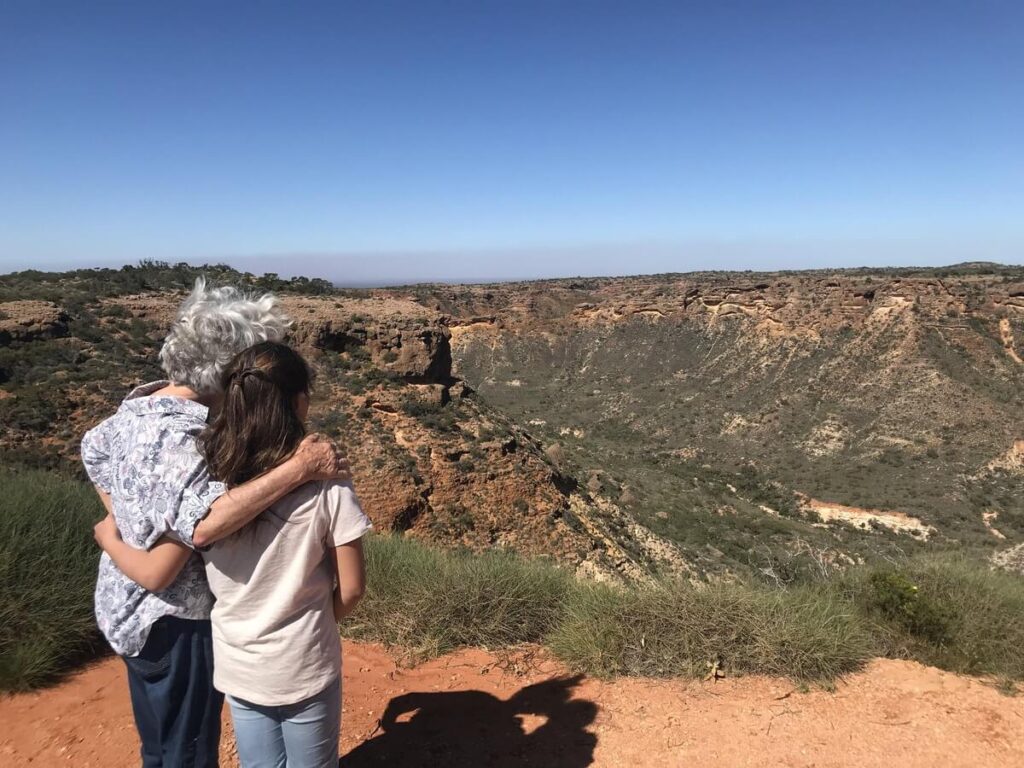
The Cape Range area does have accommodation, but most is camping. A selection of basic campgrounds are available along the coastal strip. There’s also the luxurious Sal Salis Eco Retreat!
Most people visiting the area base themselves on the Coral Coast or nearby Exmouth. We loved our stay at Bullara Station, which is 80km away. You can read more about the options in Exmouth in our Exmouth accommodation guide.

Cape Range Camping Options
There are many campsites up and down the Ningaloo World Heritage Area. These campsites are in great locations for exploring Cape Range National Park and Ningaloo Marine Park.
We didn’t do any camping at Ningaloo, but these are the main campgrounds in the area.
- Osprey Bay
- North Kurrajong
- Kurrajong
- Ned’s Camp
- Mesa
- Tulki
- North Mandu

Yardie Creek Campground
If you’re looking to camp right on the edge of adventure, Yardie Creek Campground is one of the most spectacular – and remote – spots you’ll find in Cape Range National Park.
There are 10 unpowered reverse-in sites, and facilities are minimal, featuring a no-flush pit toilet, and there is no access to fresh water, power, or campfires.
Ningaloo Station Camping
Ningaloo Station Camping is located south of Yardie Creek and cannot be accessed from the northern side of Cape Range National Park.
There are 5 designated campsites at Ningaloo Station. All campsites have zero amenities. However, there are recently installed dump points. You must bring your own portable toilet to camp at Ningaloo Station Campground.
Don’t let zero amenities detour you from camping at Ningaloo Station. This is one of the most popular camping places around. Bookings can be made up to 180 days in advance on the Park Stay WA website.
The Verdict – The Best of Cape Range National Park
We loved our time amongst the red dirt of the Cape Range National Park. What a truly divine place to spend time!!
We hope that this comprehensive guide has helped you carefully plan your time visiting Cape Range National Park!
If you’re heading to Ningaloo Reef, make sure you read our guide. If you’re planning on swimming with Whale Sharks, this article on Ningaloo Whale Sharks will give you all the info you need.


Leave a reply